Is Montessori Worth the Cost? An Honest Look
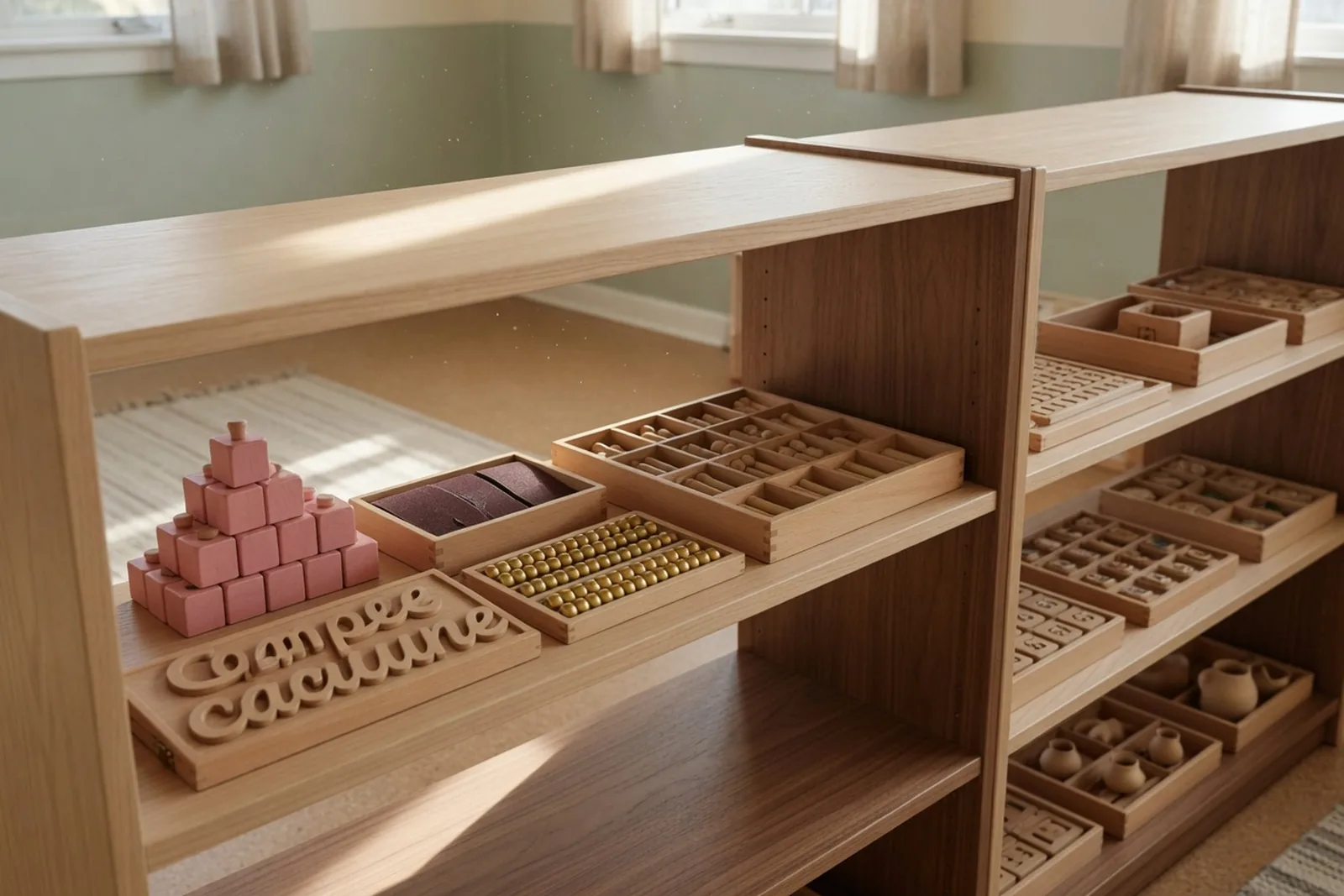
If you are looking at a Montessori tuition bill, your real question may not be whether Montessori sounds good. It may be whether your child will receive something meaningfully different, and whether that difference is worth what your family must give up to pay for it.
That is a fair question. Tuition affects savings, work choices, vacations, housing decisions, and the amount of breathing room in a monthly budget. A school should earn that investment through the daily experience it provides, not through a polished tour or the Montessori name.
Montessori can be worth the cost when a school delivers the method with care and when its practical fit makes sense for your family. It is not automatically the right choice for every child, every season, or every budget.
Start with an honest comparison
Do not compare one tuition number with another until you know what each number includes. A program that appears less expensive may have a shorter day, a different school-year calendar, separate fees, or limited before- and after-school care. A higher price may include services you do not need.
Put the options side by side using the same categories:
- Days and hours of care your family will actually use
- Registration, materials, activity, meal, and extended-day fees
- Closures, breaks, summer coverage, and backup care
- Commute time, transportation, and schedule flexibility
- Class size, adult coverage, guide preparation, and staff continuity
This gives you a real annual cost and a clearer view of what you are buying. It also prevents a common mistake: paying for features that sound impressive but do not improve your child's ordinary Tuesday.
What Montessori tuition should actually buy
A strong Montessori program directs its resources toward the classroom. Four things matter especially: thoughtful ratios, trained guides, a complete set of materials, and continuity over time.
Enough adult attention, used well
A ratio does not tell the whole story, but it affects how closely adults can observe children and respond without taking over. Ask for the actual classroom ratio, not only the maximum allowed ratio. Ask whether it changes during arrival, lunch, rest, and extended care. At the Montessori School of Fairfax, the Toddler program has a 3:1 ratio.
Then watch how adults use their attention. A Montessori guide should know when to offer a lesson, when to protect concentration, and when to let a child solve a manageable problem. More adult intervention is not always better. More precise attention often is.
Guides who understand the method
Montessori teaching requires more than access to a lesson album or a shelf of wooden materials. A prepared guide studies child development, the sequence of lessons, classroom observation, and how to connect a child with work at the right moment. Ask who leads the classroom, what Montessori preparation that person has completed, and how the school supports ongoing learning.
A complete, cared-for materials set
The materials form a connected curriculum, and the sequence is what you are actually paying for. A child traces sandpaper letters with two fingers before that same motor memory shows up in handwriting. They build quantity with golden beads before they touch the stamp game, and work with the pink tower and the binomial cube before those same relationships reappear as multiplication years later. A few recognizable materials do not make a complete Montessori classroom, and a shelf missing pieces from that sequence is a fair thing to ask about. During a tour, look for orderly shelves, materials in good repair, and work that spans practical life, sensorial learning, language, mathematics, culture, and science as appropriate for the age level.
Continuity that compounds
Montessori classrooms are designed for children to remain in a level across multiple years. The guide learns how a child approaches challenge, which lessons have taken hold, and where a new invitation may open a door. The child spends less time relearning routines and more time taking on harder work and greater responsibility.
That continuity has value only if the classroom remains stable and the program truly supports the full cycle. Ask how the school handles transitions and what children can do in the later year that they were preparing for in the first.
Curious what this looks like in a real classroom?
Schedule a VisitThink in years, not only months
A monthly bill makes tuition feel like a series of short transactions. Education develops differently. A child may spend weeks repeating practical work before a jump in coordination appears, or revisit sound games many times before reading begins to click. The value often lies in the sequence and in the child's growing ability to work without constant prompting.
Look for progress you can observe rather than promises about distant outcomes. Is your child becoming more able to choose purposeful work, care for belongings, persist after an error, ask for help clearly, and contribute to a community? For an older child, can they plan a project, explain their reasoning, revise their work, and manage longer stretches of concentration?
Thinking in years does not mean committing at any cost. It means judging the program by the development it is designed to support, while checking at sensible intervals that the experience still serves your child.
Do the family math without wishful thinking
Start with the full annual amount, then add every predictable cost. Include care needed on school closures, transportation, meals, supplies, and summer plans. Ask when deposits become nonrefundable, how withdrawal works, and whether tuition is likely to change before the next school year.
Next, consider what the schedule makes possible. Reliable care may protect a parent's work hours. A long commute may remove time from family evenings. Neither effect appears on a tuition sheet, but both belong in the decision.
If your employer offers a dependent-care flexible spending account, ask the plan administrator whether any part of your family's expenses qualifies. Eligibility can depend on the child's age, the type of program, and the purpose of the expense. Do not assume that the whole tuition bill qualifies, and get guidance for your specific situation before making a tax decision.
When Montessori is not the right spend
Even an excellent Montessori school may not be worth the cost for your family right now. It may be the wrong investment when:
- Tuition would require ongoing debt or put housing, food, health care, or emergency savings at risk.
- The school uses the Montessori name but cannot explain its guide preparation, work cycle, materials sequence, or classroom practices.
- Your child needs a service or level of support that the school cannot provide consistently.
- The calendar, hours, commute, or closure schedule creates unworkable pressure at home.
- Your educational priorities differ from what you observe in the classroom.
Choosing another option does not mean you care less about education. A financially sustainable home and a school that can meet a child's actual needs matter more than loyalty to a label.
Use the tour to test the value
A tour should help you verify substance. Watch the children more than the displays. Are they choosing purposeful work, concentrating for meaningful stretches, and returning materials with care? Do adults speak quietly, intervene precisely, and treat mistakes as part of learning? Can the guide explain how today's simple work connects with what comes next?
Ask direct questions about total cost, guide training, staff changes, daily schedules, progress updates, and what happens when a child struggles. Clear, specific answers are a better sign than a perfect sales presentation. You can also review the school's admissions process before visiting so you know which practical questions to bring.
The honest answer
Montessori is worth the cost when the classroom delivers enough depth, attention, and continuity to justify the sacrifice, and when your family can pay without creating a larger problem at home. The best decision comes from comparing full costs, observing a real classroom, and being candid about what your child and family need now.